In emerging creative markets, ownership is not always disputed in court; it is often disputed in perception. A name appears. A brand forms. A second identity surfaces with a similar signal. No confirmed connection, no documented infringement, yet confusion spreads faster than clarity. In such environments, IP is no longer just about who owns what. It becomes a question of who is understood to own what.
In Nigeria’s comics and animation space today, that confusion is no longer theoretical. It is visible. Two separate creative identities, one operating under the long-standing Vortex name, the other emerging recently under VXE across platforms like VXE Studios and VXE Comics, now exist within the same cultural and industrial field.
Not the same brand. Not the same founders. Not the same intention. Yet to the average audience scrolling through fragmented digital platforms, the difference is not immediately visible. And in that gap between similarity and certainty, something more subtle than theft begins to form: ambiguity.
Intellectual Property is often framed as a shield, something creators reach for when their work has been copied, stolen, or misused. But in practice, IP functions less like a mechanism of defence and more like a system of order. It assigns origin, preserves authorship, and enables creative work to accumulate meaning and value over time. Without that system, creation does not stop, but recognition begins to fracture.
Across global creative industries, naming collisions, parallel concepts, and brand similarities have always existed. Studios arrive at similar ideas. Creators draw from overlapping influences. Entire genres are built on repetition and reinterpretation. What separates stable ecosystems from unstable ones is the presence of mechanisms that resolve them. Trademark systems, legal enforcement, cultural norms around attribution, and established brand hierarchies all work together to ensure that even when confusion emerges, it does not persist.
But in emerging markets, those mechanisms are still forming. The speed of creation is no longer matched by the speed of structure. Digital platforms compress discovery into seconds, flattening context and history into a single scroll. A new brand can appear fully formed in the same visual field as one that has been building for over a decade. To the audience, both exist in the present tense. And without strong systems of differentiation, proximity begins to look like equivalence.
Nigeria’s comics and animation space sits squarely within this tension. It is an ecosystem expanding in real time, with new studios, new intellectual properties, new visual languages, and new ambitions for scale. But the infrastructure that supports identity clarity, formal registration culture, and widely accessible IP databases, disciplined naming conventions, has not evolved at the same pace. What exists instead is a loosely coordinated environment where visibility often precedes verification. This is where the Vortex case becomes instructive.
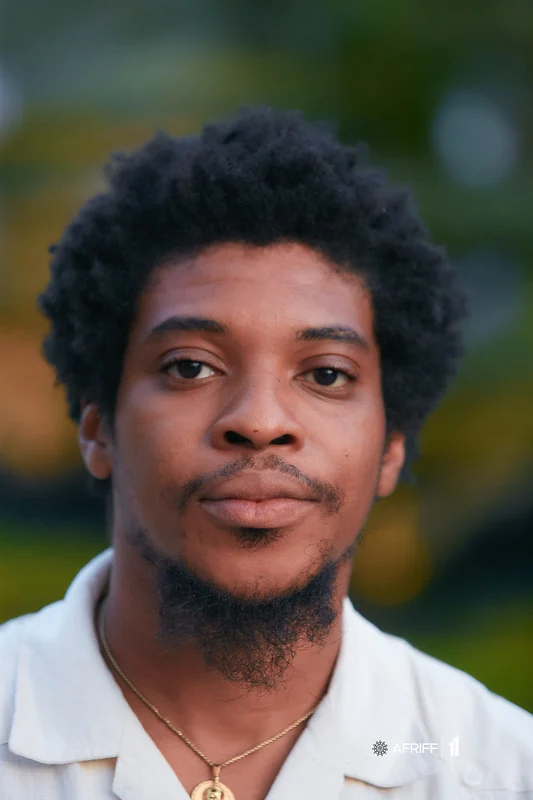
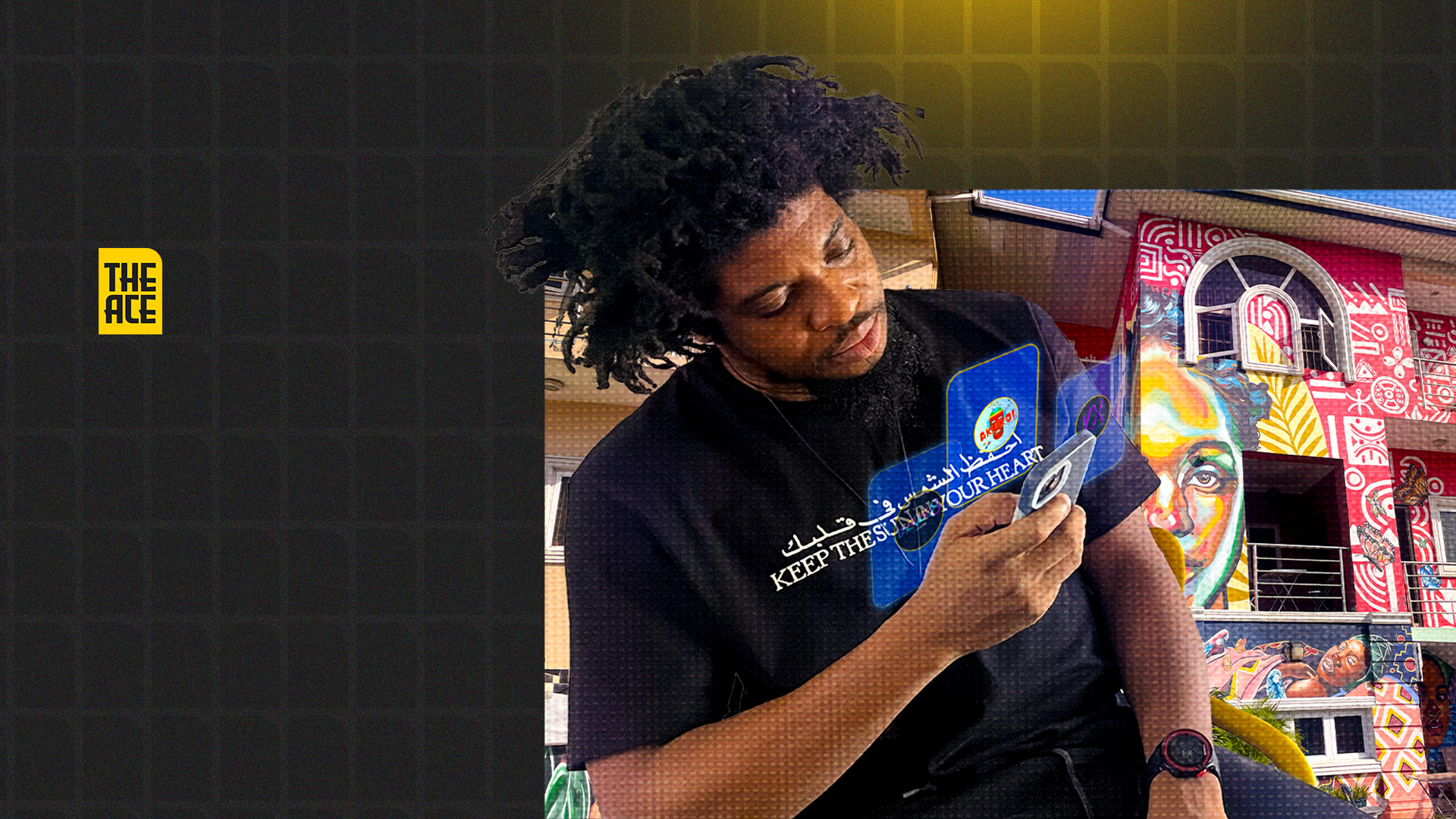
Long before the current wave of digital-first studios, Somto Ajuluchukwu’s Vortex emerged as part of an earlier generation of Nigerian comic book experimentation. It positioned itself around original African storytelling at a time when local superhero narratives were still peripheral to the global conversation. Through titles like Wrath House and Strike Guard, Vortex built an early readership and began articulating a narrative philosophy it would later describe as “Spirit Fiction”, a framework rooted in African cosmology, mythology, and contemporary experience. Its work extended beyond static comics into collaborations, cross-media storytelling, and participation in international conversations about African pop culture. Over time, Vortex came to represent not just a brand, but an attempt to build an IP ecosystem in a market that had not yet fully defined how such ecosystems should function.
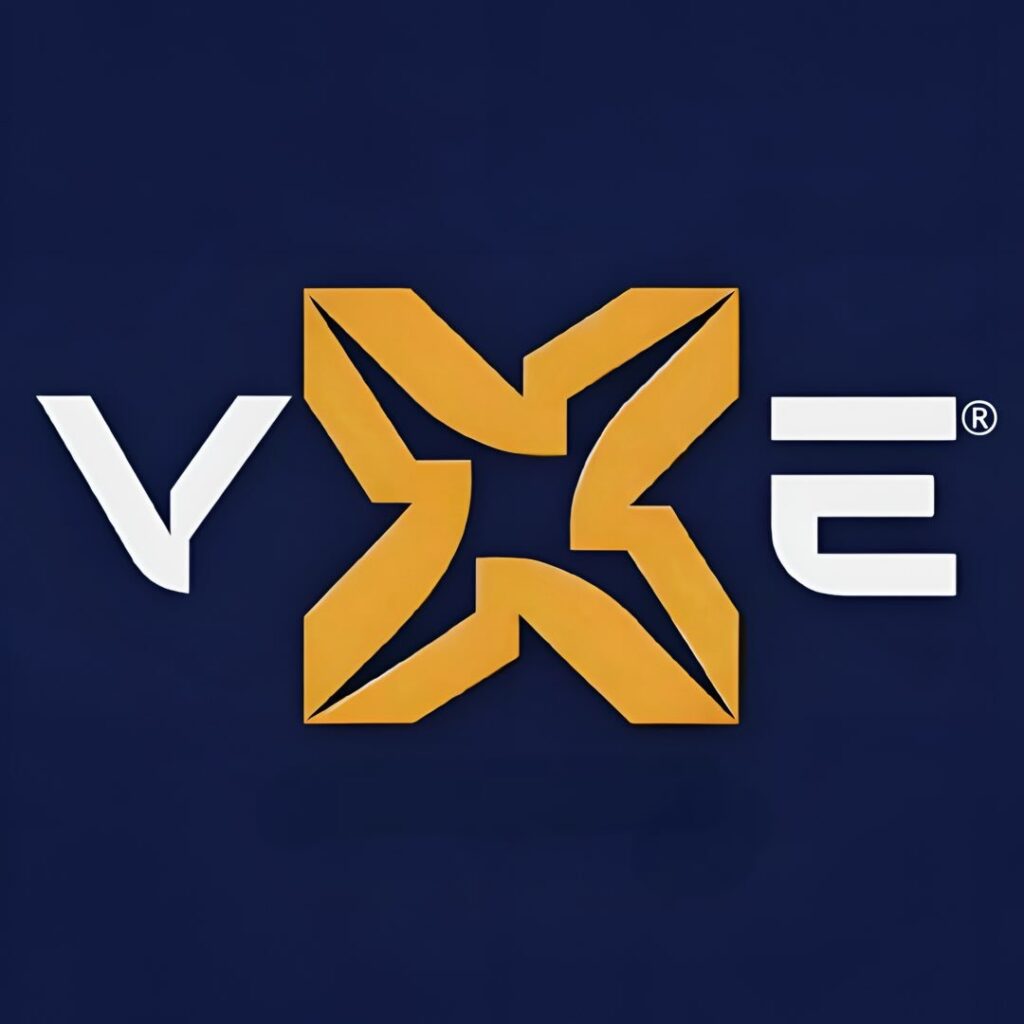
More than a decade later, a separate identity cluster has emerged under the VXE naming structure, with visible activity across platforms like VXE Studios and VXE Comics. The branding is recent, the presence is digital-first, and the positioning sits within the same broad creative territory: comics, animation, and IP-driven storytelling. There is no confirmed affiliation between this newer entity and the earlier Vortex ecosystem. They are, by all available indications, independent operations. And yet, placed side by side within the same discovery environment, the distinction is not immediately obvious.
This is the point at which the conversation must become precise. What is unfolding here is not, at least from publicly available information, a confirmed case of IP theft in the strict legal sense. However, it is no longer a situation of passive overlap either.
Somto Ajuluchukwu has expressed displeasure over the use of the name, noting that he reached out directly to the VXE team regarding the similarity. According to his account, the response indicated that the VXE entity takes intellectual property concerns seriously and would await any formal cease and desist if necessary. In parallel, when contacted by TheACE, the VXE team clarified that they are not affiliated with Ajuluchukwu’s Vortex ecosystem and expressed openness to further conversation to address the situation.
What this establishes is not a resolved dispute, but an active point of tension, one that sits in the grey space between informal resolution and formal action. To frame it purely as theft would be premature. To ignore the emerging friction would be equally incomplete. What exists, instead, is a live example of how IP ambiguity evolves: from unnoticed similarity to perceived overlap, to direct creator concern, often before any legal framework is fully engaged.
The consequences are subtle, but cumulative. Attribution becomes unstable as audiences conflate identities. Brand equity diffuses across entities that were never meant to share it. The long-term value of intellectual property, especially in industries like comics and animation, where characters and universes are the primary assets, becomes harder to consolidate. Over time, this does not just affect individual brands; it affects the coherence of the ecosystem itself.
This makes the timing of Nigeria’s recent national IP framework particularly significant. As previously reported by TheACE, the policy signals an institutional recognition that intellectual property will play a central role in the country’s creative and economic future. It gestures towards protection, commercialisation, and global competitiveness.
But frameworks, by themselves, do not resolve ambiguity. Because before IP can be protected, it must first be legible.

That question of legibility becomes even more complex when placed alongside recent developments in Nigeria’s digital infrastructure. In 2026, the Corporate Affairs Commission (CAC), the body responsible for registering businesses and maintaining corporate identity records, confirmed that it had experienced a cybersecurity incident involving unauthorised access to parts of its system.
This is not a peripheral institution. The CAC functions as the backbone of formal business identity in Nigeria. It is where companies are registered, where ownership structures are documented, and where legal recognition of corporate entities begins. Its integrity is therefore foundational. If such a system is perceived as vulnerable, it introduces a deeper layer of concern into the IP conversation. Not simply whether ownership can be defined, but whether it can be reliably secured and trusted over time.
This is not to dismiss the importance of Nigeria’s evolving IP framework. Rather, it complicates it. Because formalisation assumes stability. It assumes that the institutions responsible for documenting and safeguarding ownership are resilient enough to support the long-term value of intellectual property. When that assumption is weakened, even slightly, a contradiction begins to emerge.

An ecosystem asks creators to formalise and protect their work, while the systems underpinning that protection are themselves under scrutiny. What this moment reveals is not a failure of creativity, but a lag in coordination. Nigeria’s comic and animation industries are producing intellectual property at an accelerating rate, but the parallel systems required to organise, distinguish, and secure that output are still catching up. In that gap, ambiguity is not an exception; it becomes a condition.
The implication is clear. The future of African creative industries will not be determined solely by the volume or quality of what is created, but by how clearly that creation can be traced, attributed, and differentiated. Visibility alone is no longer sufficient. Distinction is becoming just as critical as production.
In that sense, the presence of two “Vortexes” within the same creative field is not merely a coincidence worth noting. It is a signal of a deeper structural reality. A reminder that as ecosystems grow, similarity does not remain neutral for long; it begins to demand resolution. Because in the end, intellectual property is not only about ownership. It is about legibility. And in markets where legibility is still under construction, ambiguity does not simply exist at the edges. It moves to the centre, shaping perception, influencing value, and, increasingly, forcing the very conversations that systems were meant to prevent.
This is also a signal that the ecosystem has begun to outgrow its informal roots. What happens next matters. The resolution here may not ultimately be defined by who is right in a legal sense, but by how clearly the industry learns to define itself. Moments like this present an opportunity to establish precedent, not necessarily through litigation, but through the ways creators choose to clarify, differentiate, and, where necessary, coordinate. Because in emerging creative markets, distinction is not sustained by competition alone. It is reinforced by systems, formal and informal, that make creative identity legible to everyone else.
--------------------------------------------------------
--------------------------------------------------------
AI Use at TheACE
TheACE uses artificial intelligence tools to support research, drafting and analysis across Africa’s creative industries. All content is verified, edited and approved by our human editorial team to ensure accuracy, clarity and responsible storytelling. AI assists our work; it does not replace human judgment.