For decades, African superheroes largely existed outside the machinery of mainstream cinema. They thrived instead in independent comics, convention halls, underground fan communities, and the imaginations of creators working without the infrastructure to scale their work. That era appears to be ending.
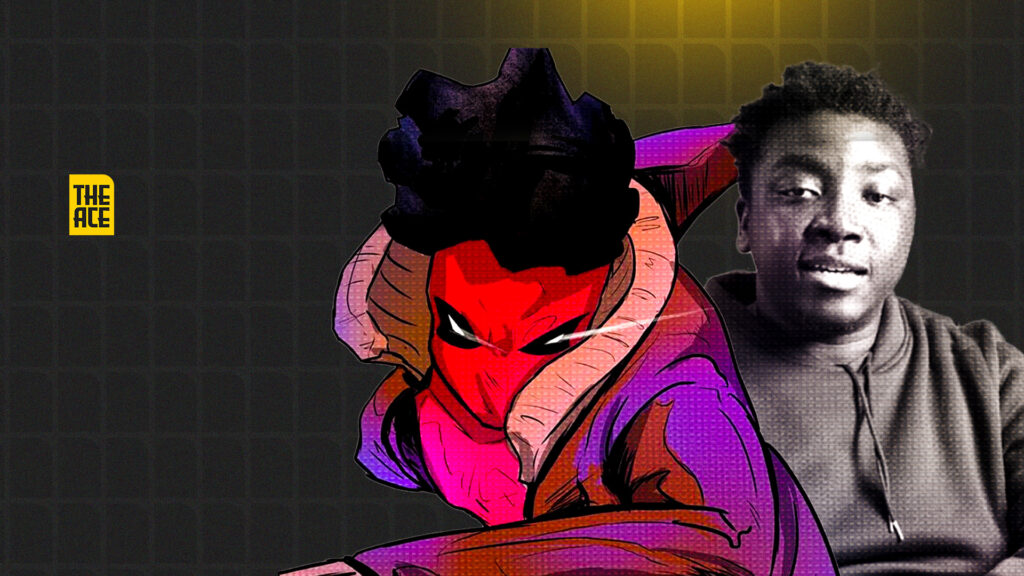
Pan-African entertainment studio Kugali Media is officially developing a live-action adaptation of Razorman, the cult Zimbabwean comic created by Bill Masuku. Deadline was the first to report the project in April 2026, with multiple sources subsequently confirming key details. The project is being reported as not merely a standalone film, but as part of a broader push to scale African intellectual property onto the global entertainment stage.

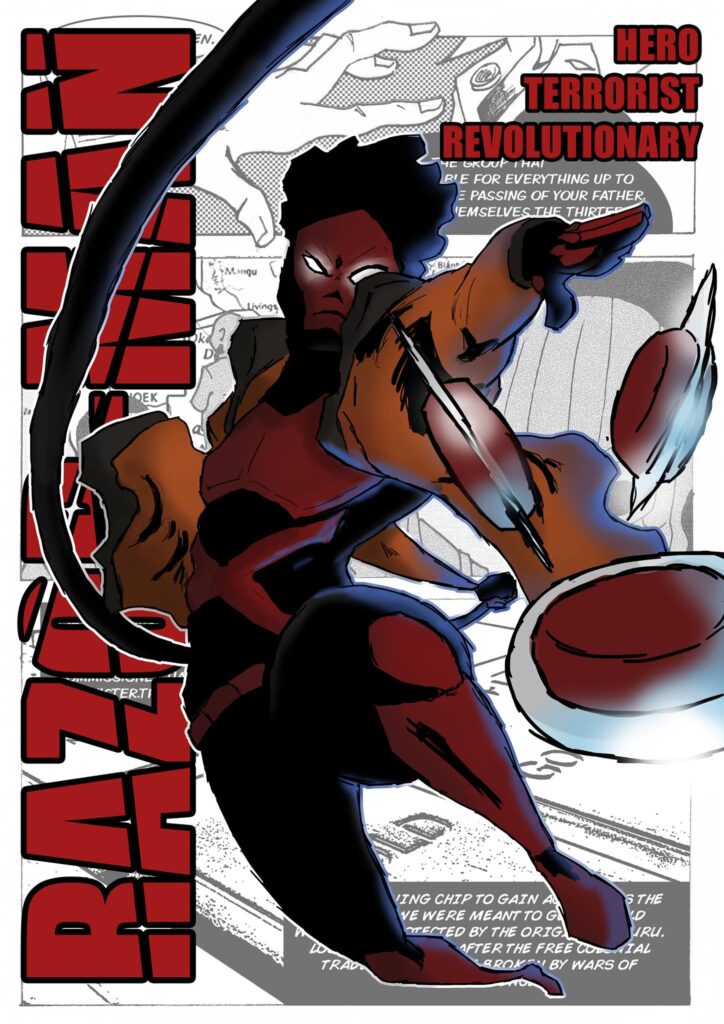
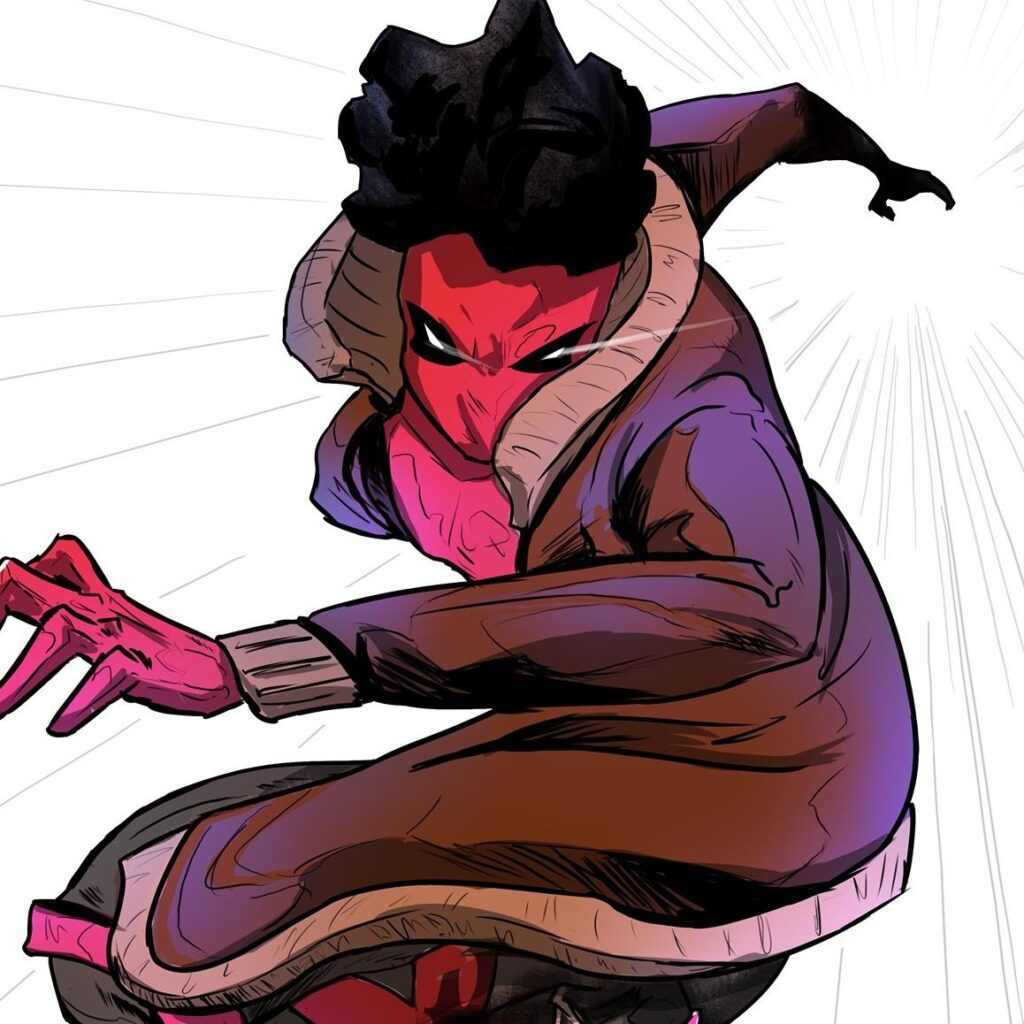
At the centre of Razorman is Lovemore, a mechanic in Harare whose life collapses after the murder of his father. In response, he adopts the masked identity of Razorman, a brutal street-level vigilante battling The Thirteenth, a criminal syndicate feeding off the corruption and violence consuming the city. Unlike many contemporary superhero franchises driven by cosmic spectacle or billionaire technology, Razorman is grounded in urban decay, improvised survival, and socio-political tension. That realism has long distinguished the comic within African comic book culture, setting it apart from the glossier entries in the genre.
The adaptation will be directed by Mandla Dube, the filmmaker behind Silverton Siege (2022) and Heart of the Hunter (2024), according to industry reports. South African screenwriter Kurt Ellis is attached to pen the screenplay. Production aims to blend grounded African urban storytelling with the darker tonal sensibilities of films such as V for Vendetta and Spawn. Dube’s involvement is notable. His work on Silverton Siege, a historical thriller about the 1980 Silverton bank siege during South Africa’s apartheid era, demonstrated his ability to anchor high-stakes genre filmmaking in politically charged African realities, a skill directly relevant to Razorman‘s ambitions.
For Kugali, however, Razorman represents something larger than a single film.
“This is exactly the kind of story we started Kugali to tell,” Kugali co-founder Ziki Nelson reportedly said while discussing the project’s ambitions. “Raw, authentic African stories that don’t need to imitate Hollywood to be globally compelling.”
The quote captures the studio’s core philosophy, one that has increasingly defined its trajectory. Founded by Olowofoyeku, Nelson, and Hamid Ibrahim, Kugali has evolved from a digital comics platform into one of Africa’s most internationally recognised creative studios. Its collaboration with Disney on Iwájú, an African-futurist animated series set in Lagos, has already proved that African narratives could travel globally while retaining cultural specificity.
Speaking about the company’s broader creative direction in previous interviews, Ibrahim has noted that African creators have long possessed “world-class stories” but lacked the industrial systems capable of amplifying them internationally. Razorman appears to be Kugali’s most direct answer to that problem.
Razorman arrives amid a steady global rise in visibility for African animation and speculative storytelling. In recent years, productions such as Kizazi Moto: Generation Fire (Disney+, 2023), Iwájú (Disney+, 2024), and Iyanu (Cartoon Network, 2025) have demonstrated that audiences are increasingly receptive to stories rooted in African futurism, mythology, and cultural identity. While those projects occupy the animation space, they collectively signal a broader industrial shift: African genre storytelling is no longer being viewed purely as regional content, but as globally exportable intellectual property.
Razorman feels significant within that trajectory because its foundations are unmistakably local. It is a Zimbabwean comic property, adapted by an African-founded studio, centred on African urban realities, and emerging from a continent whose comic creators have historically struggled to transition their work beyond print culture. For years, many African comic creators built passionate audiences without the financing structures, distribution systems, or institutional support required to scale their stories into film and television.
Industry reports suggest that the film is being envisioned with long-term expansion in mind, potentially opening the door for broader cinematic world-building around African comic properties. Specific production timelines, casting details, and budget figures have not yet been announced.
If successful, the implications could extend far beyond a single superhero film. It would strengthen investor confidence in African comic book intellectual property as a scalable entertainment infrastructure rather than a niche cultural novelty.
Sources: Deadline, MovieWeb, Kugali
--------------------------------------------------------
--------------------------------------------------------
AI Use at TheACE
TheACE uses artificial intelligence tools to support research, drafting and analysis across Africa’s creative industries. All content is verified, edited and approved by our human editorial team to ensure accuracy, clarity and responsible storytelling. AI assists our work; it does not replace human judgment.