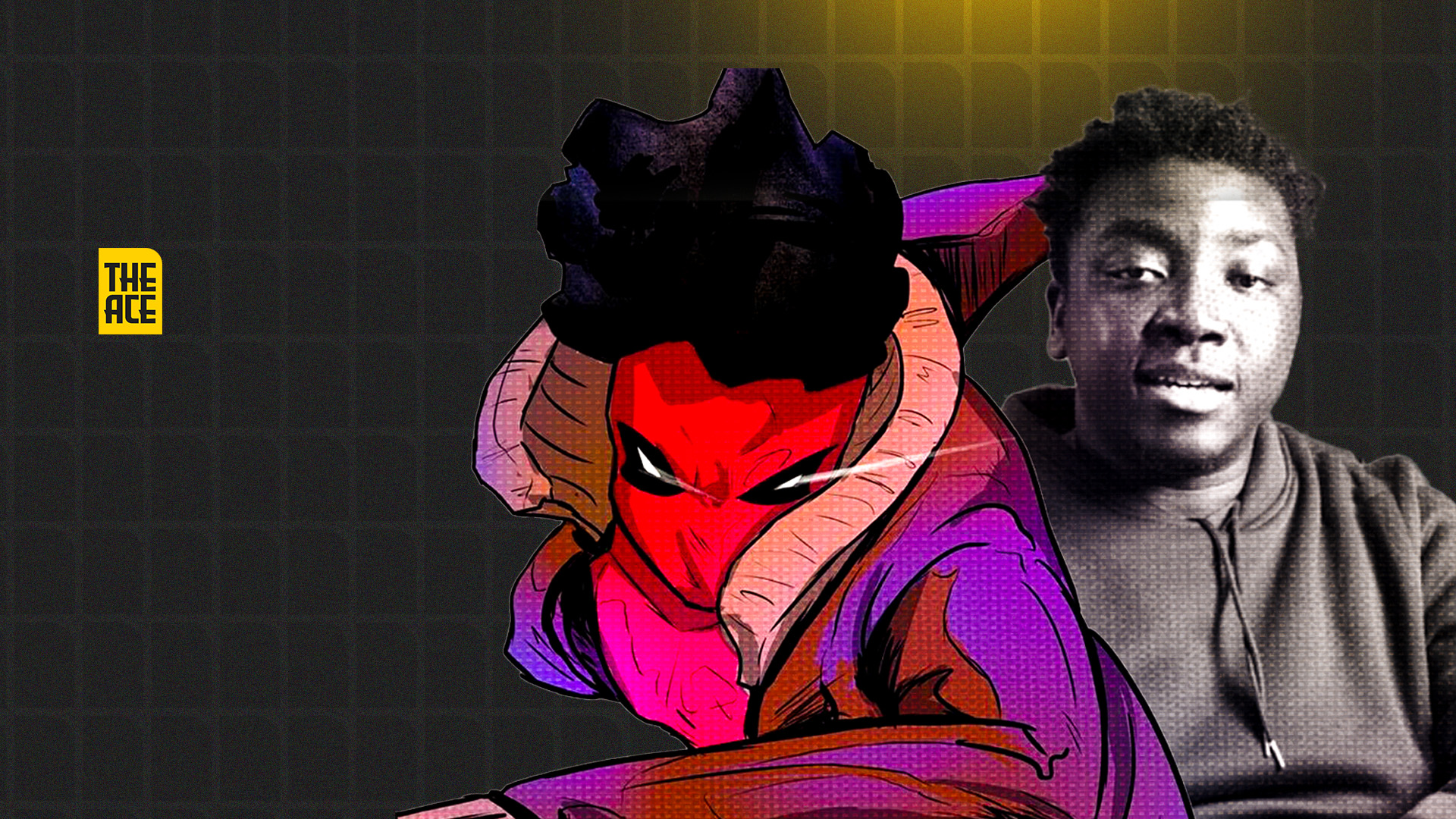
When the NFT wave surged through global creative circles, it arrived with the urgency of a cultural reset. For many, it was the inevitable future of art that was loud in its promise, aggressive in its economics, and difficult to ignore. Advocates like Gary Vaynerchuk sold it as a defining shift in how art would be created, owned, and traded. Yet for the convener of Comic Con Ibadan and creator of the Afroblot comic art style, Erivic Adedayo, the moment never quite held. He recalls the pressure to participate, the persuasive arguments, and the broader consensus forming around him, but he remained unconvinced. His resistance was not reactionary but based in a deeper disagreement about what art fundamentally is.
At the core of his perspective is a philosophical divide that has continued to shape his thinking. To Erivic, art is inseparable from its process. It is the deliberate act of creation, the time invested, and the human judgment embedded within every decision that make it what it is.
“Art to a creative person is the process of creating something beautiful; the tech world has always taken art to be the end product,” he says.
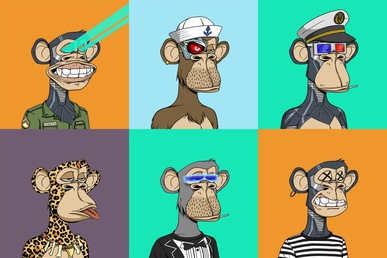
By contrast, he observes that the technology sector, historically, has approached art as a finished product; something that can be optimised, replicated, and scaled. In his critical view, both the NFT boom and the current acceleration of artificial intelligence risk collapsing this distinction, treating process and outcome as interchangeable when they are anything but.
This tendency reveals itself most clearly in the obsession with scale. The ability to generate thousands of images within minutes is often presented as progress, a demonstration of efficiency and reach. However, Erivic questions the premise underpinning this logic: “How do we generate 10,000 pieces in five minutes because that is how we can sell more? The real question should be: how do we make the result of spending hundreds of hours on a piece of art sellable?”
Rather than asking how quickly art can be produced, he suggests that the more meaningful inquiry lies in how the value of deeply invested creative work can be sustained and elevated. The issue, as he frames it, is not the existence of scalable tools, but the assumption that scaling production inherently enhances artistic worth. In many cases, it does the opposite and flattens the very qualities that give art its resonance.
Where his perspective becomes nuanced is in his treatment of artificial intelligence itself. Erivic does not reject AI; instead, he situates it as a tool with specific and, at times, transformative applications. One such area is critique and development. “Now, you can put your work into AI tools and have it reviewed like any editor of your choice, and it will judge your art against industry standards and give you informed responses,” he noted.

In the past, gaining access to high-level editorial feedback often required physical proximity to industry hubs or events such as San Diego Comic-Con. Today, AI tools are beginning to simulate aspects of that experience, allowing artists to subject their work to forms of analysis that approximate professional review. This shift lowers barriers and redistributes access, particularly for emerging creators who might otherwise be excluded from such spaces.
Yet it is when he moves beyond art that his argument elevates into a broader framework for understanding AI’s impact. Drawing on the internal dynamics of the legal drama sitcom, Suits, Erivic outlines a distinction between individuals who function as intermediaries and those who embody something more intrinsic. Characters like Harvey Spectre operate not merely as practitioners of their craft but as symbols of reputation, trust, and assurance. Their value extends beyond the tasks they perform into the perception they command. By contrast, the associates within the same firm, while skilled and essential, derive their value largely from the work they produce; research, documentation, preparation, all of which exist in service of an outcome.
“My take on AI is this: it will take your job if you are a means to an end and not an end in yourself,” he noted.
In this context, artificial intelligence becomes less a blanket threat and more a selective force. Tasks that exist as steps towards an end are inherently more vulnerable to automation, more so when they can be systematised and replicated at scale. What proves more resistant are roles that are anchored in identity, relational intelligence, and accumulated trust. The example extends further through characters such as Donna Paulsen, whose significance lies not in administrative efficiency but in an intimate understanding of people, context, and nuance. These are not easily codified attributes and therefore not easily replaced.

From this analogy, Erivic constructs a principle that reframes the prevailing anxiety around AI and employment. The risk, he suggests, is not simply that machines will take jobs, but that individuals who position themselves only as functional components within a system become interchangeable. If one’s contribution is defined entirely by output, then it exists within a domain that can be optimised and automated. Conversely, when an individual becomes an “end” in themselves, valued for presence, perspective, and influence, they occupy a space that is far more difficult to displace.
This line of thinking carries direct implications for creative professionals. Rather than engaging in a reactive pursuit of every emerging tool or attempting to outpace automation on its own terms, Erivic advocates for a repositioning of the self. Skills such as public speaking, human relations, leadership, and narrative framing begin to matter as much as, if not more than, technical execution. These are the layers that shape how work is received, contextualised, and remembered. In effect, they transform a practitioner into a point of reference rather than a replaceable unit of production.
Despite the clarity of his argument, Erivic does not suggest that art is immune to change. On the contrary, he acknowledges that generative AI will evolve into its own discipline, complete with specialised techniques, aesthetic frameworks, and professional standards. The trajectory mirrors that of photography, which once emerged as a faster alternative to painting but gradually developed into a distinct art form with its own criteria for excellence. In this sense, AI-generated imagery will not diminish traditional art but will instead coexist alongside it, expanding the spectrum of creative expression.
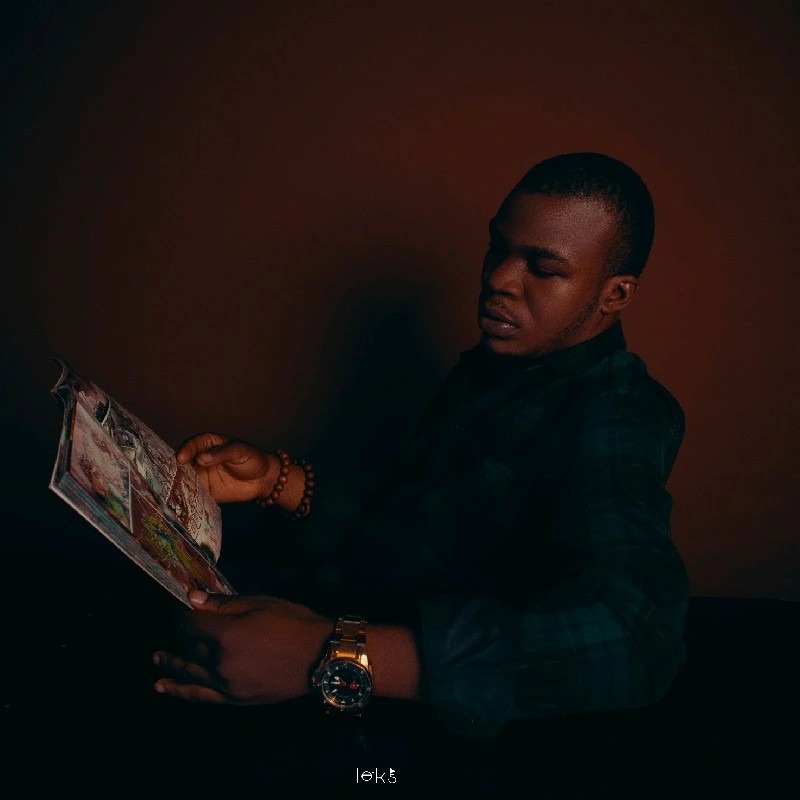
What remains constant, however, is the role of human authorship in how art is valued. For Erivic, the enduring appeal of art is in knowing that it was brought into existence through intention, effort, and imagination. Audiences are drawn not only to what was created, but to the knowledge of how it came to be. The process, often invisible yet deeply felt, continues to anchor the meaning of the work itself. It is this dimension that artificial systems, regardless of sophistication, struggle to replicate in a way that resonates on a human level.
“The process, not just the result, is what makes art, and what fascinates people is the ability to create beauty out of nothing,” he concluded.
Ergo, rather than engaging with AI as either a utopian breakthrough or an existential threat, it should be approached as a force that clarifies value. For artists and professionals alike, the implication is not to resist change, but to understand where they stand within it and what they choose to become.
--------------------------------------------------------
--------------------------------------------------------
AI Use at TheACE
TheACE uses artificial intelligence tools to support research, drafting and analysis across Africa’s creative industries. All content is verified, edited and approved by our human editorial team to ensure accuracy, clarity and responsible storytelling. AI assists our work; it does not replace human judgment.